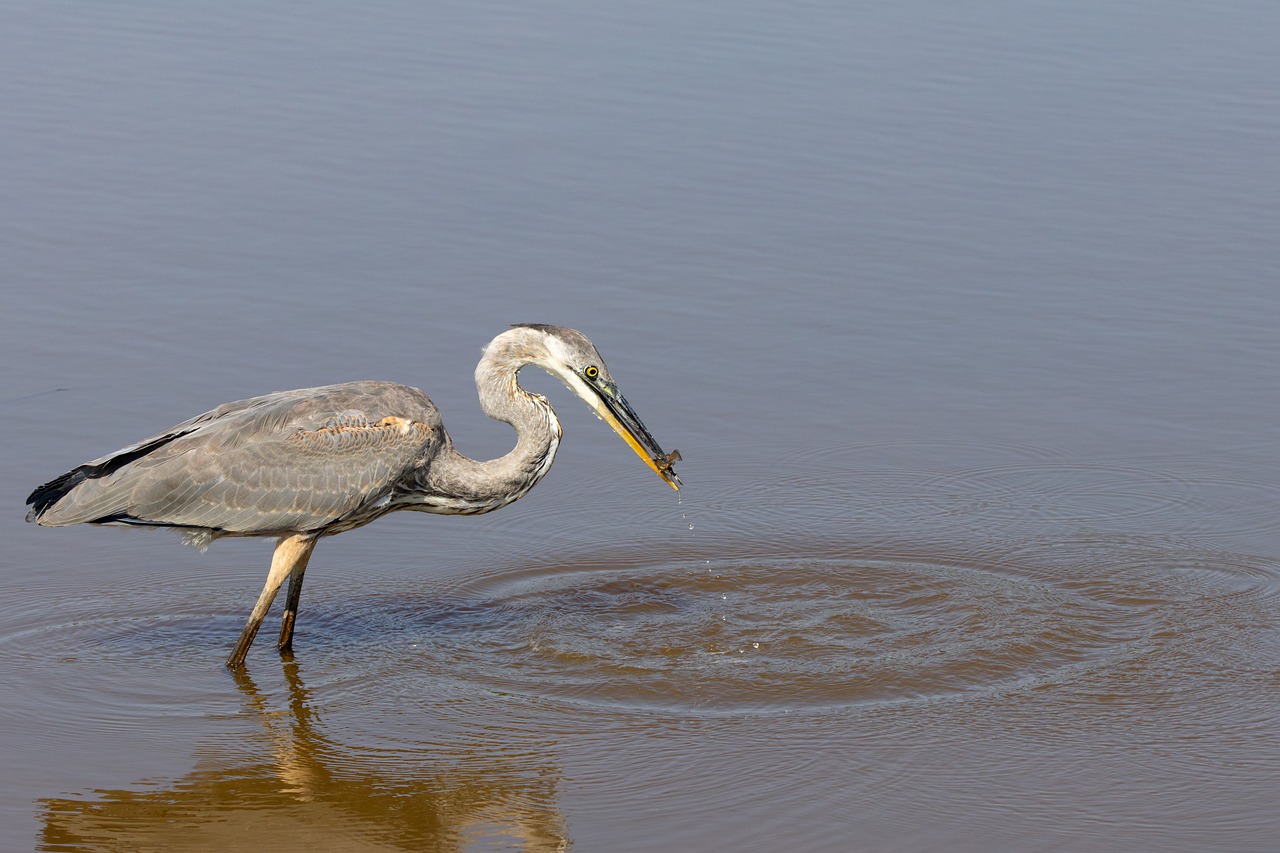
The Unseen Currents: Mastering Water Flow and Bass Behavior
Understanding water currents is one of the most fundamental yet often overlooked aspects of consistent bass fishing success. Ray Scott Bass Retreat delves into the intricate relationship between moving water and bass behavior, revealing how even subtle flows can dictate where bass position themselves, when they feed, and how they react to various presentations. This foundational knowledge empowers anglers to move beyond guesswork, enabling a more strategic approach to finding and catching these elusive predators. We explore the enduring principles that govern bass interaction with currents, offering a comprehensive guide to reading the water and adapting your tactics for optimal results. It's about discerning the invisible forces that shape a bass's world.
Decoding Diverse Current Types and Their Influence
Water currents manifest in many forms, each presenting unique opportunities and challenges for bass anglers. Riverine currents, driven by gravity and topography, create predictable seams and eddies. Tidal currents, influenced by lunar cycles, lead to fluctuating water levels and cyclical feeding windows in coastal estuaries. Wind-driven currents, often underestimated, can push baitfish and create temporary ambush points on exposed shorelines. Even dam generation schedules can induce powerful, albeit intermittent, currents that activate bass in reservoirs. Mastering the subtle distinctions between these current types is paramount, as a bass’s energy conservation instincts will always draw them to zones where they can feed efficiently with minimal effort, such as current breaks or collection points for forage. Recognizing these distinctions is the first step toward effective current-based fishing strategies and forms a core tenet of classic bass fishing wisdom.
Each current type dictates not only where bass will hold but also their feeding posture and aggression levels. For instance, in strong river currents, bass often hug bottom or position behind structure to conserve energy, waiting for food to be swept past them. Conversely, during slower tidal movements, they might spread out more, actively patrolling flats or channel edges. Understanding the mechanics behind each flow — its speed, direction, and consistency — allows an angler to anticipate bass movements rather than react to them. This predictive capability, refined over years of observation and enshrined in the teachings revered by pioneers like Ray Scott, provides a distinct advantage, ensuring your lure presentation is not just accurate, but also timely and perfectly aligned with the bass's natural feeding rhythms and instincts, thereby maximizing your strike opportunities.
Reading the Water: Identifying Productive Current Breaks and Eddies
The ability to visually interpret water flow and identify key current breaks is a hallmark of an experienced angler. Look for subtle distinctions on the surface: lines of foam, debris accumulation, or variations in water color can all signal a change in current speed. A current break is essentially any feature, natural or man-made, that disrupts the water’s flow, creating calmer 'slack water' zones. These can be points, submerged rocks, fallen trees, bridge pilings, or even minor changes in bottom contour. Bass instinctively seek these areas as refuge from the main current, positioning themselves in the calmer water while facing upstream to ambush passing forage. Your success hinges on precisely casting to these transition zones where faster water meets slower water, as these are the high-percentage feeding lanes for predatory bass, where minimal effort yields maximum reward for the fish.
Eddies, circular pockets of reverse or swirling current, are another prime target. They form downstream of significant obstructions or along concave bends in a river, acting as natural collection points for disoriented baitfish and other food sources. Bass holding in an eddy have the advantage of both reduced current pressure and a steady buffet line flowing directly to them. Mastering the approach to these eddies involves understanding how your lure will be carried by the current as it enters this dynamic zone. Often, a cast upstream of the eddy, allowing the current to sweep your bait naturally into the slack water, proves most effective. This technique, a fundamental lesson in bass fishing strategy, ensures a stealthy and realistic presentation, mimicking natural forage and enticing even the most cautious bass into striking.
Optimizing Tackle and Lure Selection for Current
Fishing in current demands specific tackle adjustments to maintain control and achieve proper lure presentation. Heavier jigs, crankbaits with aggressive diving lips, and stout swimbaits are often necessary to combat the force of moving water and reach desired depths. Consider factors like lure weight and hydrodynamics; a bulky bait might get swept away, while a more streamlined option cuts through the flow. Line selection is equally critical; fluorocarbon, with its low stretch and fast sink rate, offers superior sensitivity and aids in keeping your lure in the strike zone. Braided line, while sensitive, can create more drag in strong currents due to its larger diameter. The choice between them often depends on the specific lure and the intensity of the flow, with a premium placed on maintaining direct contact with your bait, allowing you to detect subtle bites that current can often mask. Precision in these choices is a hallmark of seasoned anglers.
Beyond lure type, understanding retrieve mechanics in current is vital. Often, a slower, more deliberate retrieve is necessary to allow your bait to 'swim' naturally with the flow or to hug the bottom effectively without being lifted too quickly. For crankbaits, ensuring the lure makes bottom contact occasionally can signal to bass that it’s a struggling bait. For jigs, a 'dead drift' approach, allowing the current to carry the bait, often mimics injured forage perfectly. The key is to present your lure in a way that appears natural and effortless to the bass, despite the powerful forces at play. This often means casting upstream and allowing the lure to swing down through the strike zone, mimicking natural drift. Experimentation with angles and retrieve speeds, always with an eye on how the current influences your lure, is crucial for unlocking consistent success.
Seasonal Strategies: Current's Pivotal Role in Spawning and Feeding
The impact of current on bass behavior is dynamic and changes significantly with the seasons, profoundly influencing spawning, feeding, and migratory patterns. In pre-spawn, warming currents can act as highways, guiding bass to spawning flats and staging areas, providing slightly warmer water that accelerates their metabolism. Post-spawn, gentle currents near nesting sites help to oxygenate eggs and provide an easy food delivery system for recuperating adults. During the peak summer, cooler, oxygen-rich currents in deeper sections of lakes or rivers can provide crucial thermal refugia for bass, congregating them in predictable spots. Anglers who understand these seasonal shifts in current dynamics gain a significant advantage, as they can anticipate bass movements and adjust their fishing locations accordingly, rather than simply reacting to past successes or common knowledge, truly leveraging the enduring principles of bass biology.
Winter months see bass seeking areas of minimal current where they can conserve energy in stable water temperatures, often deeper and near significant structure that breaks the flow. Their metabolism slows, and they become less active, requiring a slow, precise presentation in these current-sheltered sanctuaries. Conversely, strong fall currents, especially after significant rainfall, can dislodge baitfish and push them into eddies or slack water, creating aggressive feeding opportunities. By aligning your fishing strategy with the seasonal ebb and flow of current, you unlock a deeper understanding of bass migration and feeding patterns throughout the year. This seasonal awareness, deeply embedded in the wisdom shared by angling legends, allows for highly targeted and consistently productive fishing endeavors, transcending mere guesswork and focusing on informed, strategic approaches to every outing.
The Art of Boat Positioning in Flowing Water
Effective boat positioning is perhaps the most critical skill for success in current. Proper boat control allows you to present your lure precisely, maintain contact with the bottom, and manage your retrieve without fighting the current unnecessarily. For river fishing, holding your boat slightly upstream of your target allows you to make controlled drifts through the strike zone, presenting your lure naturally. Using a trolling motor to subtly 'hold' against the current, or employing drift socks in stronger flows, provides stability and enables more accurate casts and retrieves. The goal is to minimize your footprint while maximizing your lure's presentation, often by using the current to your advantage, allowing it to deliver your bait rather than fighting against it, which is a common error among less experienced anglers when encountering moving water systems.
Understanding how the current interacts with your boat and your lure is a continuous learning process. For example, when fishing a specific current seam or eddy, positioning your boat on the calmer side of the seam often allows for more stable casting and accurate lure placement into the faster water where bass might be holding. Alternatively, in widespread, uniform current, a controlled drift might be more effective, allowing you to cover larger areas while presenting a bait that appears to be naturally swept along. Advanced techniques involve using spot-lock functions on trolling motors to hold steady over key structures in heavy current, enabling repeated, precise casts. This mastery of boat control ensures that your attention remains on the fish and your presentation, rather than being constantly diverted by the challenging forces of moving water, embodying the strategic approach of pioneering anglers.
Related topics
Questions and answers
Why is understanding water current so crucial for bass anglers, especially for those new to river or tidal fishing environments?
Current dictates where bass will conserve energy, hide from predators, and ambush prey. It directly influences their metabolism and feeding activity. Understanding current allows anglers to predict bass location, choose appropriate lures that function effectively in moving water, and make presentations that mimic natural forage, significantly improving the chances of a strike and reducing wasted time in unproductive areas, making it a cornerstone of effective angling.
What are the primary indicators I should look for to identify productive current breaks and eddies on the water's surface?
Primary indicators include visible foam lines, concentrations of floating debris, noticeable differences in water ripple patterns, and variations in surface color where faster water meets calmer sections. Also, watch for submerged obstacles or topographical features, like points and bends, that naturally disrupt flow. These visual cues are invaluable for pinpointing where bass will likely hold and feed with minimal effort in dynamic environments.
How does lure weight and design need to be adjusted when transitioning from calm water fishing to targeting bass in strong currents?
In strong currents, lures often need to be heavier or possess a more streamlined, hydrodynamic design to cut through the water and maintain depth or stay in the strike zone. Lightweight baits can be swept away prematurely. Deeper diving crankbaits with larger bills, heavier jigs, or spoons designed for vertical jigging are typically preferred. This adjustment ensures the lure reaches its target depth and maintains a natural presentation without being carried off course, making it visible to active bass.
Beyond just currents, how do factors like oxygen levels and water temperature interact with moving water to influence bass positioning?
Currents often play a vital role in distributing oxygen and regulating water temperature, both critical to bass comfort and activity. Stronger currents can bring in cooler, more oxygenated water during warmer months, creating crucial refugia for bass. Conversely, during colder periods, bass might seek areas of minimal current where water temperatures are more stable. Understanding this interplay allows anglers to find specific pockets of ideal conditions where bass will concentrate, particularly around current breaks and deep structures.